
Composite Siding in Ocean Beach, CA
Protect your coastal home with durable and modern composite siding.
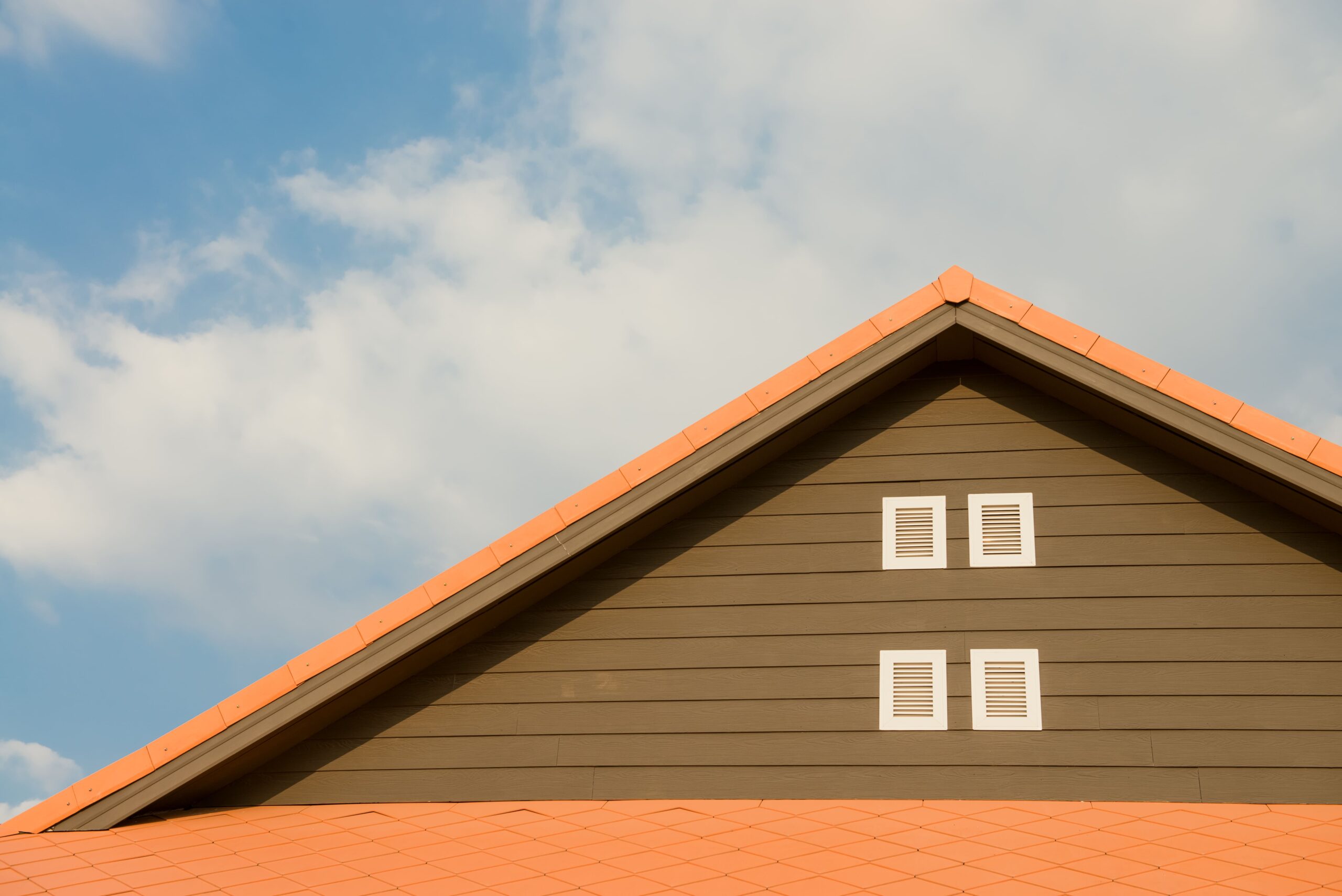
Your Home’s First Line Of Defence Against the Coast
Every Ocean Beach home is in a quiet, constant fight with the ocean. Wind-driven salt, the morning marine layer, and relentless afternoon sun work on the exterior year-round, and the siding is what takes the hit so the structure behind it doesn’t. When that siding is decades-old wood, it loses the fight slowly: paint blisters, boards swell, and water finds its way in. Mel Development Inc is the siding contractor in Ocean Beach that homeowners call to end that cycle, re-cladding bungalows and beach cottages in composite and fibre-cement systems.
20+
Years of Industry Experience
5K+
Local Projects Completed
Our Composite Siding Process
Built to last, installed with care.


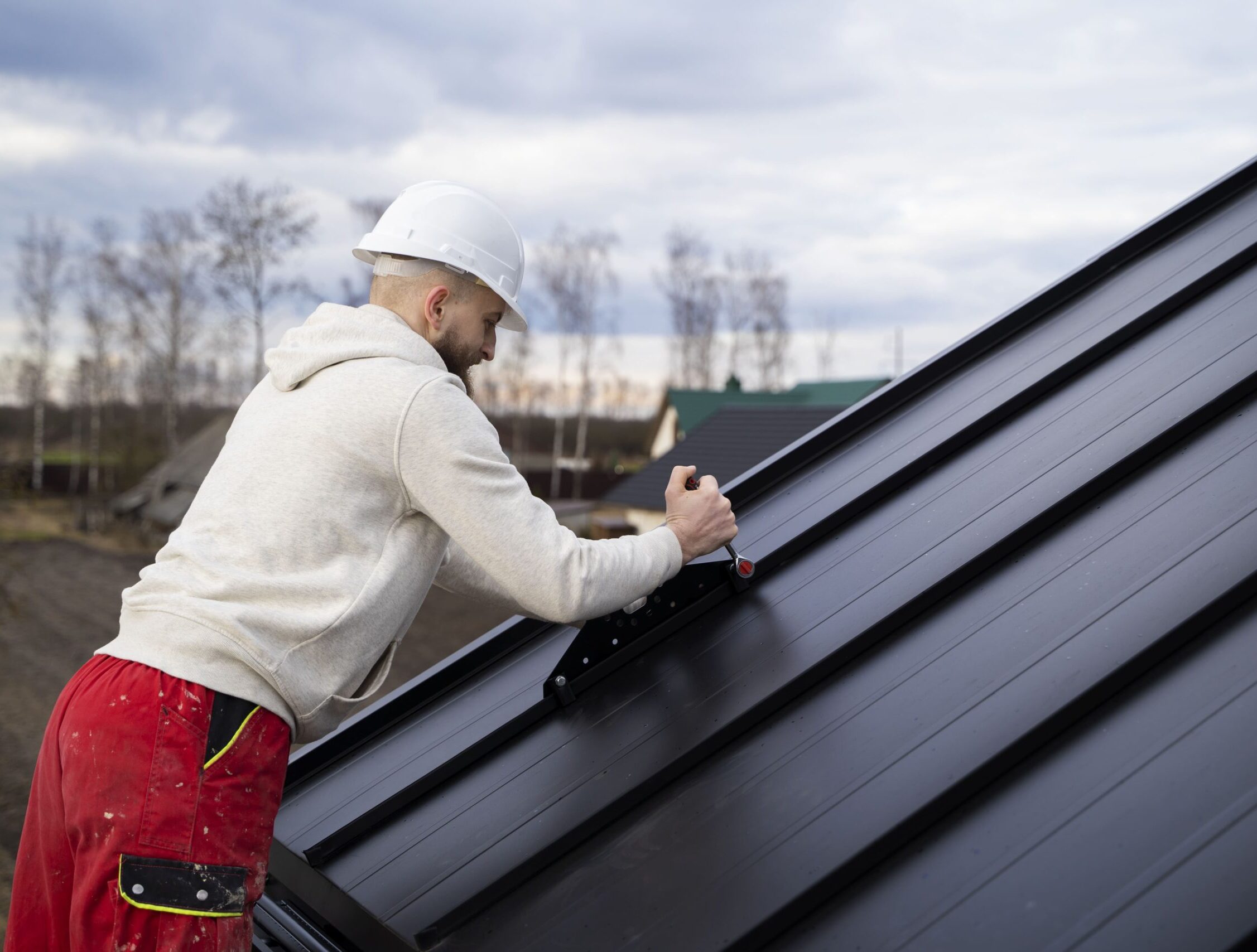
What a good Siding Project Actually Involves?
Good siding work is mostly about what happens before the new boards go up. A proper siding installation in Ocean Beach runs in a clear sequence, and the early stages are where the real protection is built in:
- Strip and inspect: old siding comes off so we can see the sheathing and framing underneath.
- Repair what the coast damaged: any rot or soft spots hiding behind the old cladding get fixed first.
- Weather barrier and flashing: a moisture-resistive layer and careful flashing at every window, door, and transition. This is the step that actually keeps water out.
- Board installation: new composite or fibre-cement siding fixed with corrosion-resistant stainless fasteners.
- Trim, seal, and finish: corner boards, caulking at joints, and a clean, weatherproof finish.
- Walkthrough: a panel-by-panel check before we call it done.
Picking a Material That Survives Salt Air
The material decision is very important for most Ocean Beach homeowners, so here’s a straight comparison of the three we install most:
- Fibre-cement: cement, sand, and cellulose pressed into board, completely inorganic, so salt and moisture have nothing to rot or corrode; holds factory colour for years and is non-combustible, a real plus given California fire rules.
- Composite/engineered wood: the warm look of timber with far better stability than real wood, lighter to work with, and a strong middle-ground choice for an Ocean Beach re-side.
- Cedar: for a cedar siding installation in Ocean Beach, nothing matches the authentic grain and character, but be honest with yourself about upkeep; real wood by the water needs regular sealing and refinishing to stay ahead of the salt.
Many Ocean Beach homeowners take on the exterior at the same time as an interior project, pairing a re-side with a bathroom remodel in Ocean Beach to get all the disruptive work done in one stretch.
Budgeting a Siding Project in Ocean Beach
We don’t publish a fixed price, because two Ocean Beach homes the same size can cost very differently once you account for condition and material. As a rough guide, a full re-side in Ocean Beach typically lands between $12,000 and $30,000+, depending on the size of the home, the material you choose, and what the walls are hiding underneath. Here’s roughly how that breaks down by material:
- Composite/engineered wood ($12,000–$22,000): the warm timber look with far better stability, a strong middle-ground choice for most Ocean Beach re-sides.
- Fibre-cement ($15,000–$28,000): fully inorganic and non-combustible, holds colour for years with minimal upkeep this close to salt air.
- Cedar ($18,000–$30,000+): authentic grain and character, but carries ongoing sealing and refinishing costs on top of the install.
Homeowners updating the exterior often plan a kitchen remodel in Ocean Beach into the same budget while the home is already a worksite.
Permits and Coastal Rules for Ocean Beach Exteriors
Many homeowners are unsure about the rules for replacing their home’s siding. If you’re replacing old siding with the same type, the process is often simple and may only require a standard building permit. However, because Ocean Beach is a coastal community, local building requirements can be different from those in other parts of San Diego, so it’s important to check the regulations before starting your project:
- A straight re-side within the existing exterior usually keeps the paperwork light.
- Uncovered structural repairs or changes to the building envelope can pull more review into the project.
- Shoreline-adjacent homes may sit close enough to the coast that added coastal considerations come into play and stretch the timeline.
The practical reality is that location on the Ocean Beach grid can change what your project needs. We read that for you at the quote stage, handle the filings, and keep the process moving so you’re never stuck working it out with the city yourself.
Frequently Asked Questions
It’s moisture-resistant and won’t corrode like traditional materials.
Yes, we use products designed specifically for beach climates.
Of course – we offer a variety of textures, from wood-look to modern matte.
Usually 1–2 weeks depending on project size.
Yes, we handle all local permits and approvals.
Often, yes. Repeated paint failure on the coast usually means the wood siding itself is absorbing salt-laden moisture. Re-cladding in fibre-cement or composite removes the cause rather than repainting over the symptom.
We flag it immediately and show you. Repairing the sheathing or framing before the new siding goes on is exactly why stripping and inspecting first matters; covering up rot would only trap the problem.
For most coastal homes, yes. Its inorganic make-up means salt and moisture can’t degrade it, it holds colour without repainting, and it’s non-combustible, which carries weight under California fire codes.
Get a Free Quote