
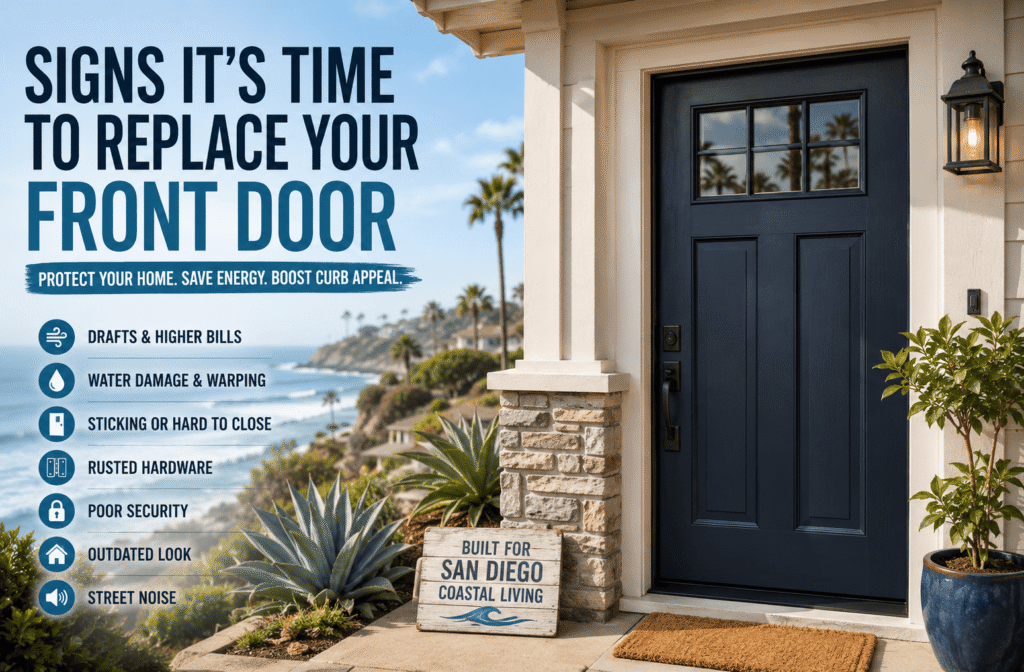
Your front door works harder than almost anything else in your home. It keeps your family safe, affects how much you spend on heating and cooling, and shapes the first impression people get when they walk up. But no door lasts forever.
A lot of homeowners hold off way too long before replacing theirs. They keep patching up problems that only get worse, when a replacement would have made more sense. Catching the door replacement tips early can save you money, tighten up your security, and head off bigger headaches later. And when the time comes, reliable door and window installation services in San Diego make the switch a lot easier than living with a door that’s slowly giving out.
Why is Coastal Weather so Hard on Doors?
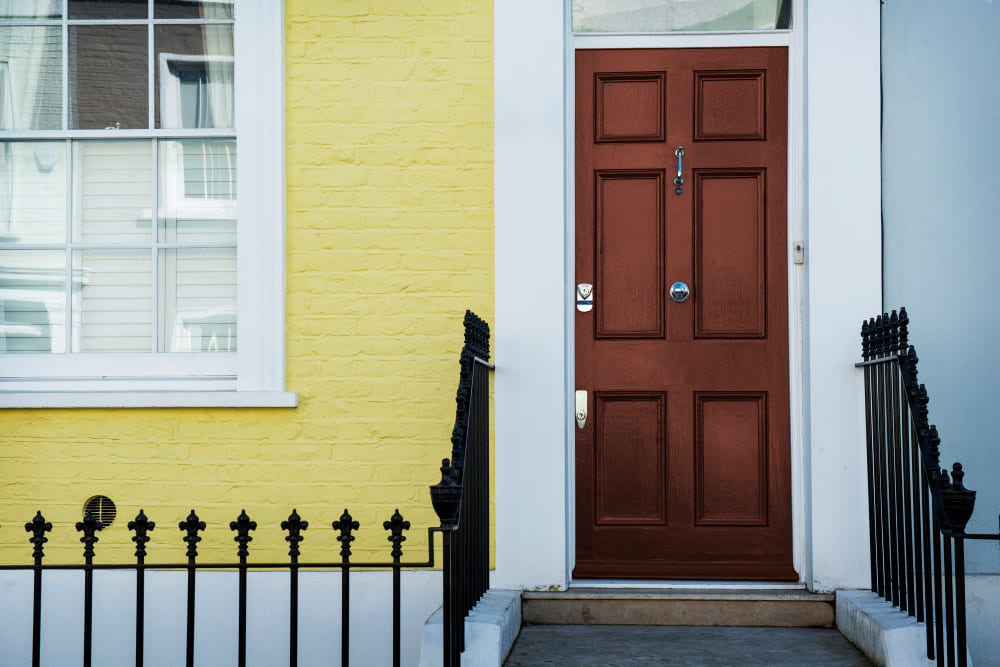
The salt air is quiet or hidden. It settles on everything, and over time, it eats away at metal hardware, breaks down wood fibers, and degrades the seals that keep your door airtight. Add in the daily swing between morning fog and afternoon sun, and your door is expanding and contracting constantly.
That movement loosens joints, cracks finishes, and creates tiny gaps that let moisture creep in. Coastal weather door damage rarely shows up all at once. It builds slowly, which is exactly why so many homeowners miss it until something stops working. Choosing materials built for San Diego’s coastal conditions makes a real difference in how long a door holds up out here.
Here are the most important signs you need an entry door replacement:
- The Door Feels Soft, Swollen, or Bent
Press your hand against different parts of the door. Does any section feel spongy or give a little? That is a red flag.
Front door water damage often starts at the bottom edge or around the panels, where water pools and sits. Wood doors swell and wrap. Steel doors rust from the inside out. Fiberglass holds up better, but even it can fail at the seams once water finds a way in. Once moisture has settled into the core of the door, no amount of sanding or repainting brings it back.
- The Doors Stick or Won’t Close Right
If you have to push hard to shut your door every morning, or it scrapes along the floor, the frame has likely moved. The damp coastal air makes wood swell, and all that swelling and shrinking slowly knocks everything out of line.
A sticky door is more than just a hassle. If it does not close properly, it won’t lock properly either, and that’s a safety issue you should not let slide.
- You Feel a Draft (or Hear the Street)
Stand near your closed door on a windy day. Feel the air moving? Notice the traffic outside sounds louder than it used to? Those worn-out weatherstrips and seals are letting the outside in.
Beyond the comfort issue, those gaps mess with your energy bills. Your AC works overtime to fight the air leaking through. One of the simplest door replacement tips I can give you is to check the seal first, because a failing seal is often the earliest sign the whole door is on its way out.
- Your Energy Bills Keep Climbing
A door that does not seal well slowly costs you money. If your bills have gone up and it is not because of the heatwave or higher rates, your front door is worth checking.
Newer doors have better insulation and tighter seals made for coastal areas. According to the U.S. Department of Energy, exterior doors can contribute significantly to air leakage and waste energy through conduction, and replacing an old, uninsulated door can lower your heating and cooling costs.
- Rust, Corrosion, and Tired Hardware
Take a close look at your hinges, handle, lock, and any metal trim. Salt air rusts hardware quickly. You will notice small pits, orange streaks, or coatings that peel off when you touch them.
Sometimes you can just replace the hardware and be done with it. But if the rust has spread to the door itself, or the lock is stiff and grinding, that’s a sign the door has had it.
- The Door Just Looks Old
This one is less about function and more about how your home feels. Sun and salt fade finishes, crack paint, and leave doors looking dull and weathered. Your front door is the first thing anyone sees, and a tired one drags down the whole look of your house.
If yours has faded patches, peeling paint, or a style that screams a different decade, a replacement instantly lifts your curb appeal.
- You are Worried About Security
Your front door is the first thing standing between your home and the outside. If it feels physically weak, the locks are old, or you’re seeing cracks and wear in the structure, your house may be easier to break into than you’d like.
Older doors usually don’t have the stronger materials or better locks that newer ones do. Swapping yours out is one of the easiest ways to make your home safer and sleep a little better at night.
- The Street is Getting Louder
If your home feels noisier than it used to, your front door might be the culprit. Older doors don’t insulate well, so traffic, neighbours, and street noise slip right through.
A newer, better-built door cuts a lot of that out, leaving your home quieter and more comfortable.
When Repair Isn’t Worth It Anymore?
I get the strong appeal to keep fixing things. A new weatherstrip here, a fresh coat of paint there. But coastal damage tends to compound. You fix one problem, and another shows up a few months later.
So when do you draw the line? Knowing when to replace front door versus repairing it usually comes down to this: if you are dealing with two or more issues at once (warping plus drafts, say, or rust plus a door that won’t close), replacement is almost always the smarter choice. Repairs on a failing door are just delaying the inevitable, and you will spend more in the long run. If you decide it’s time, here are somekey factors to weigh when hiring a door installation company so you get the job done right.
The Bottom Line for San Diego Homeowners
Your front door fights the coast every single day. Salt, moisture, fog, sun. It is a lot for one door to handle, and even good ones wear out faster near the water.
If you have noticed swelling, sticking, drafts, rust, or rising bills, your door is trying to tell you something. Catching it early saves you money and keeps your home secure and comfortable. And when you do replace it, pick a door rated for coastal conditions. Out here, that choice makes all the difference.
FAQ
How long does a front door last in a coastal climate?
Near the coast, a front door usually lasts somewhere between 10 and 25 years. Salt air, high humidity, and strong UV rays wear materials down a lot faster than they would inland, and heavy exposure can cut that lifespan way down.
When should I replace my front door instead of repairing it?
You should replace your front door instead of repairing it when the core structure is compromised, making it a security risk, energy sink, or security hazard.
What causes front door water damage?
Front door water damage is usually caused by deteriorated weatherstripping, clogged or missing door sweeps, failed exterior caulking, or a lack of an adequate overhead overhang.
How do I protect my door from coastal weather damage?
Keep up with the small stuff. Check the weatherstripping and seals once or twice a year, rinse salt residue off the hardware, and refresh the finish before it cracks.
What are some quick door replacement tips before I buy?
Go for materials that handle moisture well, like fiberglass or a quality steel door with a proper coating. Check that it’s rated for coastal use, look for solid weatherstripping and a good seal, and don’t skimp on the lock and hardware since salt air goes after those first.