You finally booked it. After months of searching photos and circling dates on the calendar, your home renovation consultation is on the books. But here is something most people do not realize until they are standing in their own kitchen with a designer. The value you get out of that first meeting depends almost entirely on how ready you are when it starts.
A little preparation goes a long way, when you can clearly show what you want, what you are working with, and the limits of your space. The designer can skip the guesswork and start talking about real solutions, real options and real numbers. Whether you are booking an at home consultation for a full remodel or just a single room, this guide walks you through exactly what to have ready.
What a Renovation Consultation Actually Means?

It helps to step back and rethink what this meeting is actually about before you start getting ready for it.
A renovation consultation is not a contract you are signing. It is not a hard sell you have to brace yourself against. And it certainly is not an exam on how well you understand design or construction. What it really is, is an exploratory conversation, a chance for what you experience living in your home every day to come together with an expert perspective.
The purpose is to figure out what currently falls short, what you would like to see become possible, and whether the people across from you are the right partners to lead that change. Think of it as the opening chapter rather than the final page.
Why Preparation Changes Everything?
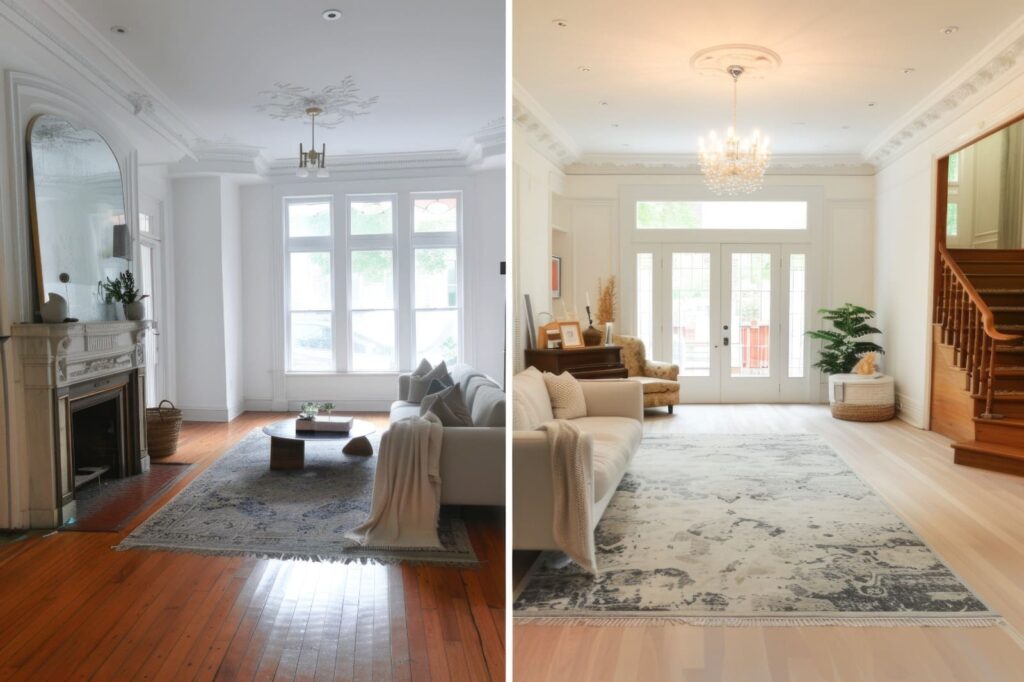
Think of your first meeting as the moment your project stops being an idea and starts becoming a plan. A consult design construct approach works best when the designer can see your space, understand your style, and learn your constraints all in one visit.
That’s how you move from “tell me about your project” to “here’s what this could actually look like” without weeks of back-and-forth. The homeowners who get the most out of an in home consultation aren’t the ones with the biggest budgets. They are the ones who walk in organized. If you are still weighing your options, our guide on home expansion vs interior redesign can help you frame the conversation before you even sit down.
Photograph Your Space (Even the Ugly parts)
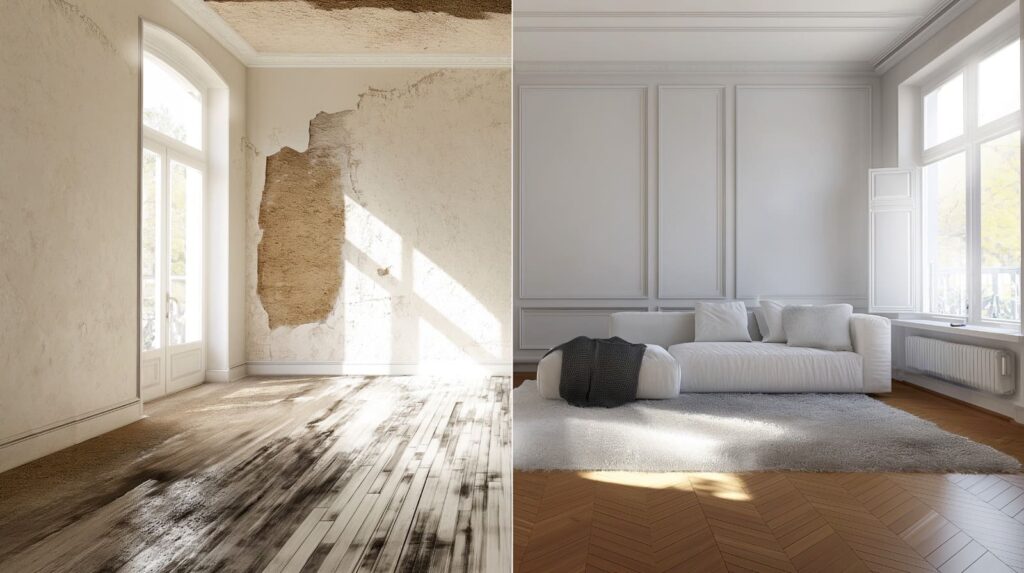
Before your designer arrives, take photos of every area involved in the project. Wide shots show the complete layouts, while close-ups capture the trouble spots that matter most.
Document the problem areas honestly. Cracking, water stains, tight clearances, an awkward corner you have always hated, an electrical panel that looks maxed out.
If there is a space the designer can’t physically access that day, a locked garage, a tenant area, a side yard with a protective dog, having photos on your phone keeps the conversation moving.
Gather Your Space
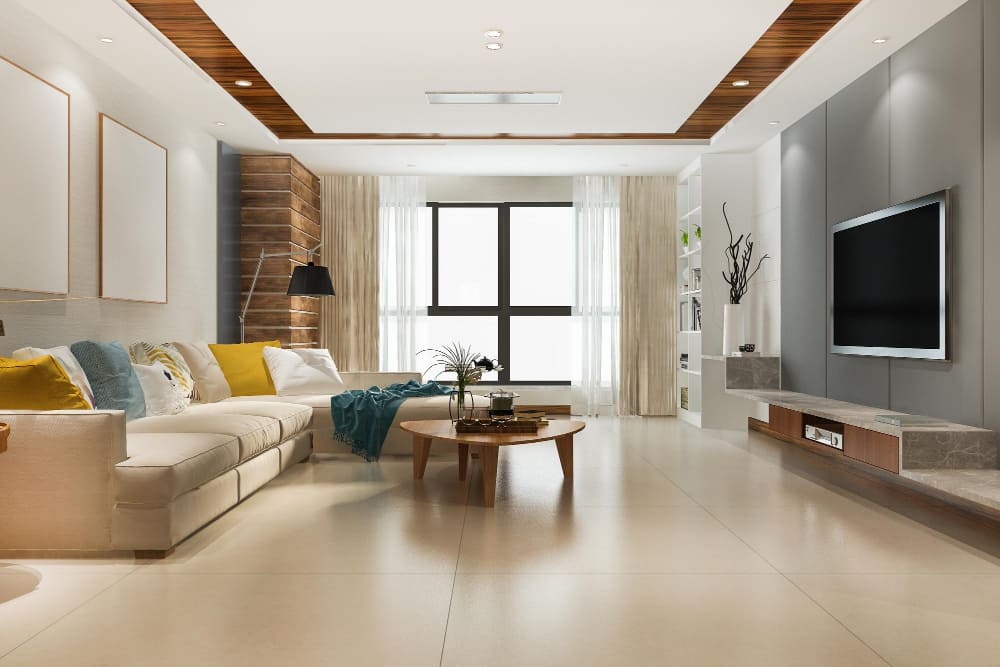
Inspiration can be incredibly helpful, but it should support the conversation rather than crowd out your thinking and your choices.
If you have saved images, bring them along. Pinterest boards, Instagram screenshots, magazine tear-outs, or even snapshots of places you have visited and admired all help convey your taste. Don’t stress if the collection feels a little inconsistent or tough to put into words.
Your renovation team is trained to spot the patterns in what draws you in. You don’t need to name your style or defend your preferences. Inspiration is simply one piece of the puzzle that helps steer the discussion. This holds true whether you are heading into a kitchen design consultation or a bathroom remodel consultation, since the visuals carry a lot of the message.
What counts most is how the images make you feel, not whether they line up perfectly with one another.
Know the Basics About Your Home
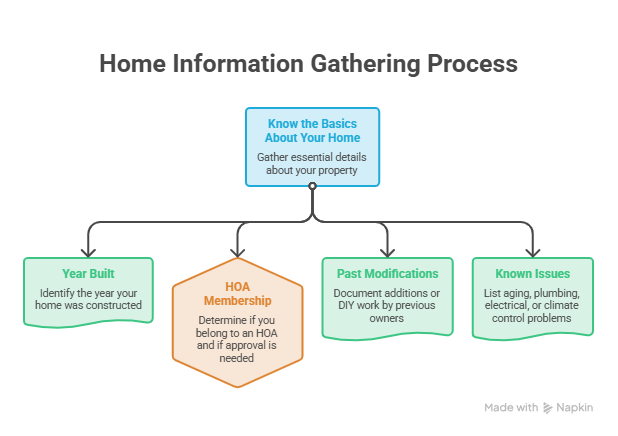
Some details about your house shape what is possible, so have them ready:
- The year your home was built.
- Whether you belong to an HOA (Homeowners Association) and if exterior changes need approval.
- Any past additions or DIY work done by previous owners.
- Known issues like aging, plumbing, an electrical panel at capacity, or rooms that never stay cool.
This information helps your designer plan for reality rather than drawing up something that gets derailed by hidden conditions later. It’s also worth knowing which projects need approvals ahead of time, our breakdown of kitchen remodel permits in San Diego is a good example of how local rules can shape a timeline.
Set a Realistic Budget Range

Money is where homeowners help themselves the most, and where they hold back the most out of nervousness. You do not need an extra figure. A range is enough.
A budget range keeps everyone honest. If you want to stay in a certain bracket, your designer won’t waste time presenting a plan that doubles it. And if you are ready to invest more to get everything done at once, they can show you that path too. It isn’t about upselling. It’s about not wasting your time on designs that were never realistic. While you’re planning the numbers, it’s smart to understand how home remodeling insurance factors into the overall cost picture.
Pull Together HOA or Community Rules
If you live in a planned community, townhome, or coastal area, dig up your HOA guidelines before the visit. Even a PDF or an old email works. If you’re unsure what your association can and can’t enforce, the California Attorney General’s homeowners association guide is a useful primer on how these rules and approvals typically work.
With those rules in hand, your designer can match approved colors and materials, avoid exterior details that will get rejected, and flag anything that needs submission before work begins. It is a small step that can save weeks of delays.
Be Honest About Your Timeline
Tell your designer what’s driving your schedule. Maybe you want it finished before the holidays, before you list the house, or while the kids are away at camp.
Real timelines depend on permits, long-lead materials, and trade availability, so sharing your target dates lets your designer tell you what’s genuinely achievable rather than what sounds nice.
If a room addition is part of your plans, factor in extra lead time, structural projects almost always run longer than cosmetic ones.
Prepare Questions to Ask
A consultation runs both ways. Use it to understand the process, not just the design. Good questions include who your main point of contact will be during construction, whether the company handles permits, how change orders are managed, and how often you will get progress updates.
The clearest sign of a smooth renovation is good communication from Day one.
Common Mistakes To Avoid Before Your Consultation
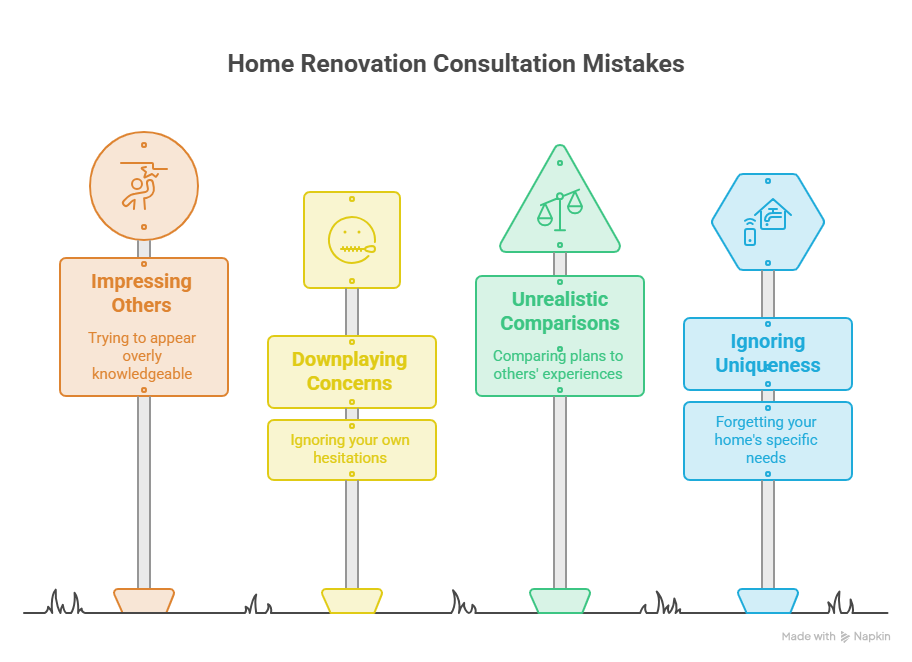
Here are some common mistakes we should avoid while preparing for home renovation consultation:
- Many homeowners put unnecessary pressure on themselves before their first consultation.
- Don’t feel the need to impress or appear overly knowledgeable.
- Avoid downplaying your concerns or hesitations.
- Don’t compare your renovation plans to someone else’s experience.
- Remember, your home, budget, and goals are unique.
- The consultation is focused entirely on you and your space.
Conclusion: Moving Forward With Full Confidence
Preparation is what separates a forgettable first meeting from one that actually moves your project forward. When you show up with photos, inspiration, honest numbers, and a clear sense of what matters most, your designer can offer sharper ideas, quicker answers, and a smoother route toward construction. If you want a head start, our home renovation checklist is a handy companion to this guide.
None of this requires hours of work. An afternoon spent getting organized before your home renovation consultation can spare you weeks of confusion later.
Walk in curious, walk in prepared, and let the conversation do what it’s meant to do: turn the home you have into the one you have been picturing.
FAQ
How long does a home renovation consultation usually take?
Most first meetings run somewhere between 60 and 90 minutes, though it depends on the size of the project. A single-room kitchen design consultation tends to be shorter, while a whole-home walkthrough takes longer because there’s more space and more detail to cover.
Do I need to have a budget figured out before the consultation?
You don’t need an exact number, but a realistic range helps a lot. It tells your designer whether to propose a full reconfiguration or a lighter refresh.
What if I only have a few inspiration photos, or they don’t match?
That’s completely fine. Even a handful of mismatched images gives your designer something to work with. Your renovation team is trained to spot the patterns in what draws you in.
Will I get pricing on the first visit?
If you arrive with photos, a clear idea of the scope, and a budget range, your designer can usually talk through ballpark figures or likely ranges. Exact numbers come later, after design decisions and material selections are made.
What’s the difference between a kitchen remodel consultation and a bathroom remodel consultation?
The preparation is largely the same, but the focus shifts. A kitchen remodel consultation often centers on layout, storage, and workflow, while a bathroom remodel consultation leans more toward fixtures, waterproofing, and ventilation.